
Selecting the right payment processing companies requires looking beyond advertised rates to evaluate overall service value. The ideal provider should streamline transaction workflows, integrate with your POS system, and deliver reliable customer support.
However, evaluating different options can be challenging when pricing models and features vary across providers. Many business owners select a processor based on low fees, only to encounter unexpected costs or technical limitations later.
How do you evaluate payment processing providers for your small business?
Evaluating payment processing companies requires analyzing pricing models, payment flexibility, POS integration, technical support, security, and scalability. While advertised rates attract attention, total operating costs often depend on hidden charges and contract terms.
A comprehensive comparison ensures that your business receives reliable technology, transparent pricing, and local support. This prevents unexpected expenses from interrupting your daily commercial operations.
When comparing providers, review:
- Pricing transparency to avoid unexpected monthly fees.
- Supported payment methods for local customer preferences.
- POS integration capabilities to streamline sales tracking.
- Quality of technical support during peak operating hours.
- Security standards to protect cardholder information.
Why shouldn’t transaction fees be the only comparison factor?
Evaluating payment processing companies based only on transaction fees ignores hidden charges that increase total operating costs. Low transaction rates often mask added gateway fees, PCI compliance charges, and cancellation penalties.
Comparing the full pricing model helps prevent unexpected monthly expenses.
| Pricing Model | How It Works | Business Considerations |
| Flat-Rate Pricing | Charges a fixed percentage and fee per transaction. | Simple pricing, but higher costs for high-volume debit transactions. |
| Interchange-Plus | Passes interchange costs plus a fixed processor markup. | Highly transparent, giving clear visibility into processing costs. |
| Tiered Pricing | Groups transactions into qualified pricing categories. | Low advertised rates, but transactions often fall into expensive tiers. |
Which payment methods must modern payment solutions support?
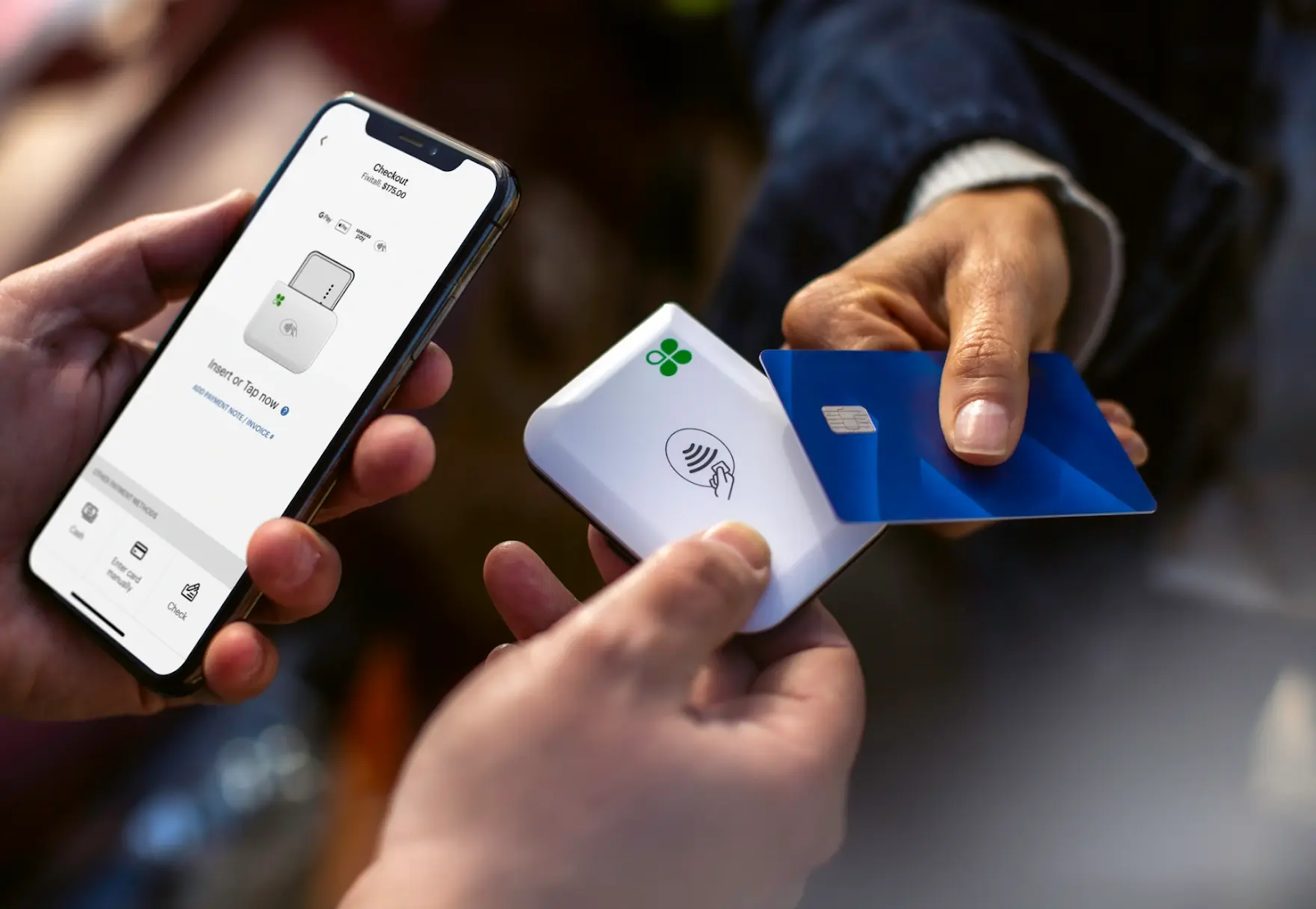
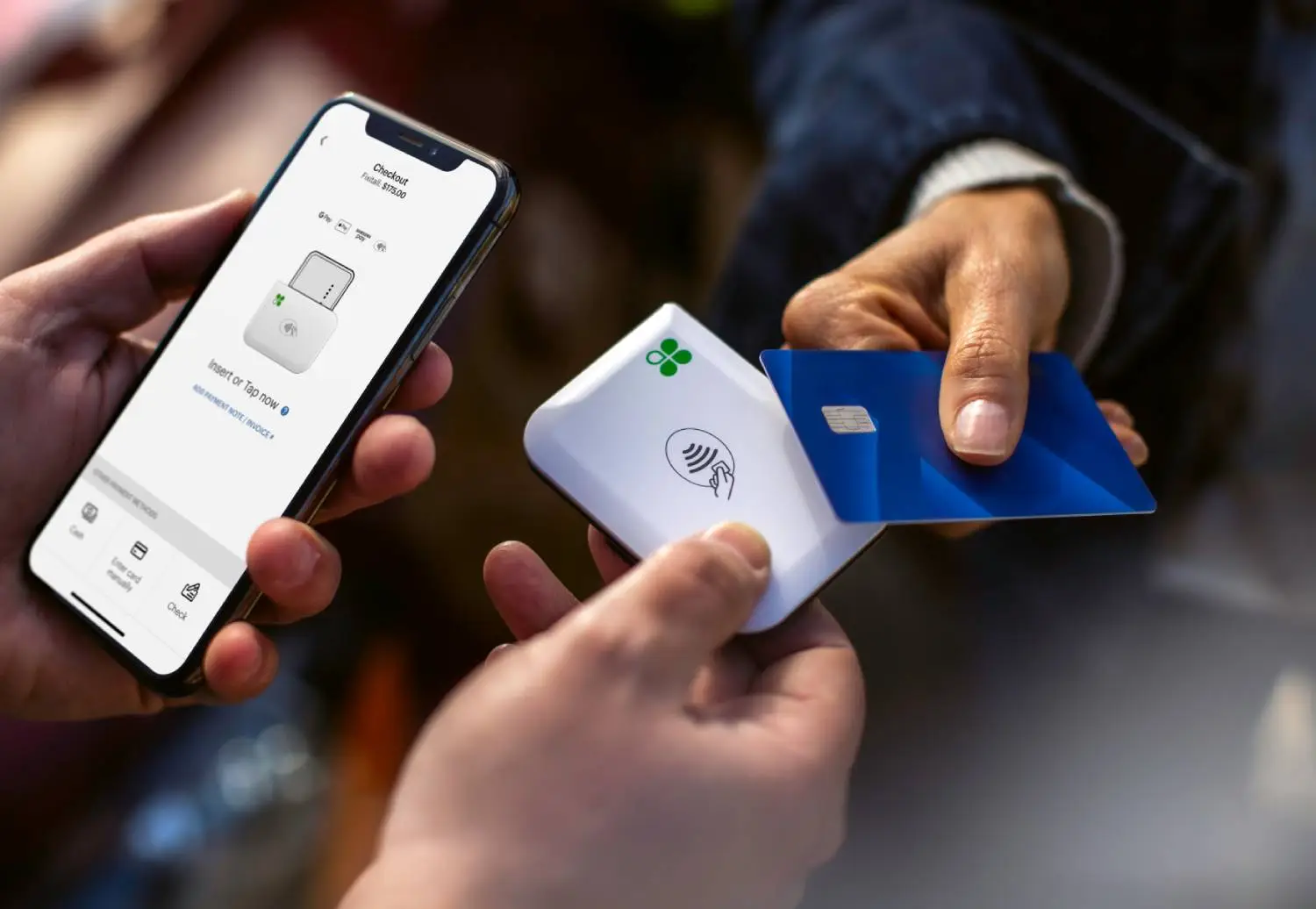
Leading payment processing companies must support major credit cards, contactless NFC payments, digital wallets, and local payment networks. Restricting payment choices leads directly to abandoned sales at the checkout counter, during mobile deliveries, or at events.
An ideal provider should accept:
- Credit and debit cards: Standard processing for Visa, Mastercard, and American Express.
- Contactless NFC payments: Apple Pay and Google Pay for fast mobile checkout.
- ATH Móvil and ATH Móvil Business: Essential processing for the local market in Puerto Rico.
- Mobile invoice links: Remote payment processing for field services and deliveries.
Why does POS integration matter when choosing a provider?
Choosing payment processing companies with seamless POS integration reduces manual work and improves operational accuracy. Standalone terminals process payments, but they often create duplicate work across inventory, accounting, and daily reconciliation.
Integrated payment solutions automatically synchronize business information, making overall operations far more efficient.
Key advantages include:
- Automatic inventory updates after every transaction.
- Real-time sales synchronization across all terminals.
- Fewer manual entry mistakes at the register.
- Faster cash reconciliation during daily closes.
- More reliable financial reporting for management decisions.
Why is technical support an important factor during evaluation?
Top payment processing companies provide dedicated technical support to prevent terminal failures and costly downtime during peak operating hours. Immediate troubleshooting keeps checkout lines moving and protects daily sales volume when hardware or payment gateway errors occur.
When evaluating providers, review:
- Support availability: Active technical assistance during weekends, holidays, and peak store hours.
- Response times: Guaranteed targets for resolving critical terminal outages and gateway errors.
- Local technical assistance: On-site hardware replacement and technicians available within Puerto Rico.
- Staff training resources: Onboarding materials and guidance for training new team members.
What security features should you compare among solutions?
Top payment processing companies protect customer cardholder data using PCI-DSS compliance, end-to-end encryption, and tokenization. Implementing multi-layered encryption at the terminal level prevents data breaches and shields your business from costly chargeback liabilities.
When comparing providers, verify whether they offer:
- PCI-DSS compliance: Full adherence to industry security standards to avoid non-compliance penalties.
- End-to-end encryption: Instant scrambling of credit card data directly at the payment terminal.
- Tokenized processing: Substitution of sensitive card numbers with unique tokens for safe data storage.
- Fraud detection tools: Automated risk monitoring that flags suspicious transactions before processing.
- User permission controls: Granular employee access settings to prevent internal checkout fraud.
How can reporting tools and scalability guide your decision?
Evaluating payment processing companies on reporting and scalability ensures you track product margins while adding registers without costly system overhauls. Detailed analytics identify top-performing inventory and peak sales hours, while modular hardware supports multi-location expansion without replacing your existing software infrastructure.
Look for reporting tools that include:
- Real-time sales dashboards to monitor hourly revenue and payment types.
- Itemized inventory reports to track profit margins and identify top-selling items.
- Labor cost tracking to align employee schedules with peak store hours.
- Multi-store management to consolidate sales data across separate business locations.
Scalable architecture allows you to add mobile readers, counter terminals, or new registers to your network without changing your payment processing provider.
How does Brava help businesses select the right solution?
Brava helps merchants compare payment processing companies by analyzing operational workflows, transaction volume, and growth objectives. Every business processes payments differently.
A retail store, a restaurant, and a mobile service provider require different combinations of hardware, software, and payment processing capabilities. Brava evaluates these factors before recommending a tailored technology setup.
Beyond implementation, Brava provides onboarding, employee training, and ongoing technical support in Puerto Rico. This local approach helps businesses resolve issues quickly while maximizing the value of their payment technology.
Conclusion
Choosing among payment processing companies requires evaluating much more than transaction fees. Pricing transparency, payment flexibility, POS integration, technical support, security, reporting capabilities, and scalability all influence daily business performance.
Rather than selecting a provider based on the lowest advertised rate, compare the complete value each solution delivers. A payment platform that aligns with your operations can improve efficiency, reduce administrative work, and support sustainable business growth.
Frequently asked questions
You should compare payment processing companies by evaluating total contract costs, hidden fees, and pricing transparency. Also review POS integration, security standards, local technical support, and hardware scalability.
Interchange-plus is usually the most transparent pricing model for merchants. It clearly separates base credit card network fees from the payment processor markup.
POS integration is important when choosing a provider because it automatically syncs transaction data with inventory and accounting. This eliminates manual entry errors and speeds up daily cash reconciliation.
Businesses should look for payment solutions supporting credit cards, debit cards, and contactless NFC transactions. In Puerto Rico, providers must also support digital wallets, ATH Móvil, and ATH Móvil Business.