
Choosing the right credit card processor can directly affect your sales, customer experience, and daily operations. For business owners, this decision is not only about accepting card payments. It is about choosing a payment partner that helps transactions run smoothly, securely, and efficiently.
Many businesses compare processors only by transaction fees. However, the lowest rate is not always the best option. A processor can look affordable at first, but create problems later if it has poor support, limited integrations, slow deposits, or confusing monthly charges.
In this guide, we explain what business owners should compare before choosing a payment processor and how to identify the option that best fits their operation.
What is a credit card processor?

A credit card processor is the company or service that manages card transactions between your business, the customer’s card, the card network, and the issuing bank.
When a customer pays with a card, the processor helps authorize the transaction, move the payment information securely, and settle the funds into your business account. This process happens in seconds, but it depends on several systems working correctly.
For business owners, the processor is a critical part of the payment experience. If it works well, transactions feel fast and simple. If it does not, customers may experience declined payments, delays, or checkout friction.
That is why choosing a processor should be treated as a strategic business decision, not just a technical requirement.
What should business owners compare before choosing a payment processor?
Business owners should compare fees, security, deposit speed, POS compatibility, customer support, and contract terms before choosing a payment processor. These factors determine how well the service will support your daily operations.
A good processor should help your business accept payments without adding unnecessary complexity. It should also connect with the tools you already use, support your preferred payment methods, and provide clear information about costs.
Before making a decision, these are the most important areas to evaluate.
How much does the processor charge per transaction?
The first thing most business owners compare is pricing. This makes sense because transaction fees affect profitability, especially for businesses with high sales volume.
However, you should not look only at the advertised rate. Some providers include additional costs that can change the real price of the service.
Before choosing a provider, review:
- Transaction fees
- Monthly service fees
- Equipment costs
- Setup fees
- Chargeback fees
- Cancellation fees
- PCI compliance fees
A lower transaction rate may not save money if the provider charges several hidden fees. The best option is usually the one that offers transparent pricing and makes it easy to understand the total cost of accepting payments.
How fast will your business receive the money?
A credit card processor should support healthy cash flow. For many small businesses, deposit speed is just as important as transaction cost.
If your funds take too long to reach your account, it can affect payroll, inventory purchases, supplier payments, and daily operations. This becomes especially important for restaurants, retail stores, salons, service providers, and businesses with frequent card transactions.
Before choosing a processor, ask how long deposits usually take and whether faster funding options are available. A reliable payment partner should provide clear timelines, not vague estimates.
Does the processor work with your POS system?
A payment processor should work smoothly with your POS system. If the processor and POS do not integrate properly, your team may need to enter transactions manually, reconcile reports separately, or manage disconnected systems.
This can create more administrative work and increase the risk of errors.
For business owners, POS compatibility is one of the most important comparison points. The right setup should allow your business to accept payments, track sales, manage reports, and support daily operations from one connected system.
This is especially important if your business uses tools such as:
- Inventory management
- Sales reporting
- Accounting software
- Customer management tools
- Online ordering systems
- Ecommerce platforms
A connected payment system helps your business operate with more control and less manual work.
What payment methods can customers use?
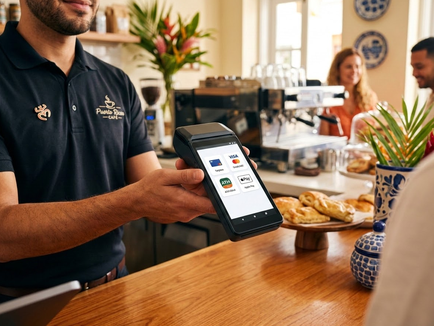
Customers expect flexibility when paying. A good credit card processor should allow your business to accept the most common payment methods without slowing down the checkout process.
Today, business owners should look for payment options such as:
- Chip cards
- Swipe cards
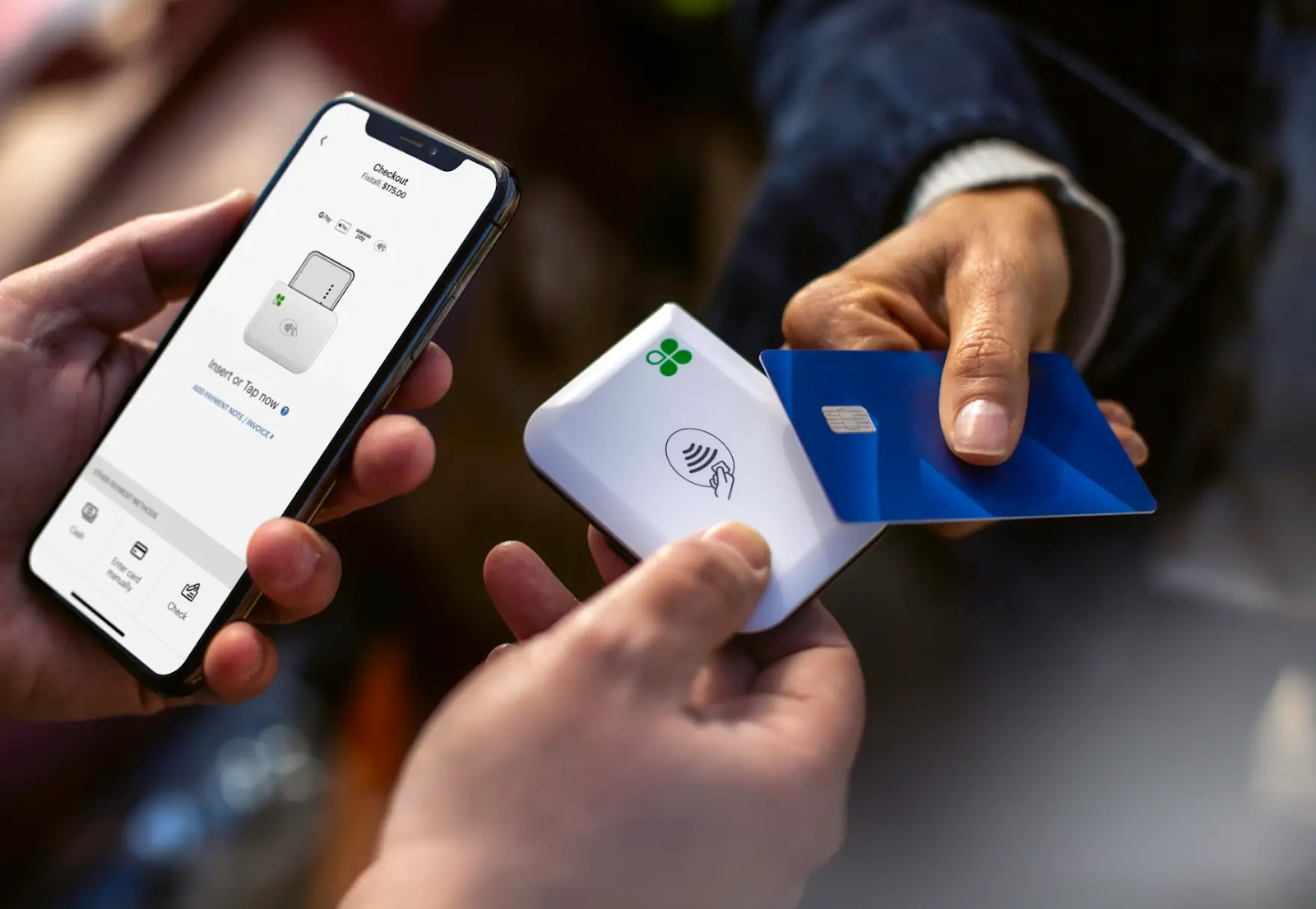
- Contactless cards
- Mobile wallets
- Tap-to-pay payments
- Online payments
- Invoicing or payment links, when needed
The more payment options your business can accept, the easier it becomes to serve different types of customers. This can improve checkout speed and reduce lost sales caused by limited payment methods.
How secure is the payment processing system?
Security should be a priority when choosing a payment processor. Every card transaction involves sensitive customer information, so your business needs a system designed to protect payment data.
A secure processor should support encrypted transactions, fraud prevention tools, and PCI compliance requirements. These protections help reduce risk for your customers and your business.
Security also affects customer trust. When payments feel safe and professional, customers are more likely to complete purchases confidently. For business owners, this trust is essential, especially in industries where repeat customers drive revenue.
What kind of customer support does the provider offer?
Customer support is one of the most important factors business owners often overlook. Payment issues can happen during peak hours, weekends, holidays, or busy sales periods.
When that happens, your business needs fast and reliable support.
Before choosing a provider, compare:
- Support availability
- Response times
- Local assistance
- Technical knowledge
- Installation support
- Help with POS configuration
A processor may offer competitive rates, but if support is slow or difficult to reach, payment problems can directly affect sales. For small businesses, reliable support can be the difference between solving an issue quickly and losing transactions.
Are the contract terms clear?
Before signing with a provider, business owners should carefully review the contract terms. Some payment processing agreements include long-term commitments, cancellation penalties, equipment leases, or pricing structures that are difficult to understand.
A good provider should explain the terms clearly before you commit. You should know what you are paying, how long the agreement lasts, what happens if you cancel, and whether pricing can change over time.
Clear contract terms protect your business from unexpected costs and give you more confidence in the decision.
What is the best credit card processor for small businesses?
The best credit card processor for small businesses is the one that offers transparent pricing, secure transactions, reliable support, fast deposits, and strong POS compatibility.
There is no single answer for every business. A restaurant, retail store, food truck, salon, and ecommerce business may all need different payment setups. That is why business owners should compare processors based on their real operation, not only the advertised rate.
The right provider should help you accept payments efficiently while supporting how your business actually sells.
Where can you find the right payment solution for your business?
You can find the right payment solution by working with a provider that understands POS systems, payment processing, and business operations.
At Brava, we help business owners choose payment solutions that fit their industry, sales process, and customer experience. Our team can help you compare options, understand your needs, and implement a system that supports daily operations.
Brava helps businesses with:
- POS system selection
- Payment processing setup
- Hardware configuration
- Support for Clover solutions
- Staff training
- Ongoing technical support
For business owners, this guidance is valuable because the right payment system is not only about processing cards. It is about creating a faster, safer, and more reliable checkout experience.
Conclusion
Choosing a credit card processor is an important decision for any business that accepts card payments. The right provider can improve checkout speed, support cash flow, simplify reporting, and help protect customer data.
Before choosing one, business owners should compare more than fees. Security, support, POS compatibility, deposit speed, payment methods, and contract terms all matter.
If your business needs a payment solution that works with your operation, Brava can help you evaluate the right option and implement a system designed for long-term growth.
FAQs
A credit card processor manages card transactions between your business, the customer’s bank, the card network, and your merchant account. It helps authorize payments and move funds securely.
You should compare transaction fees, deposit speed, security, POS compatibility, customer support, payment methods, and contract terms before choosing a provider.
No. The cheapest option is not always the best. Hidden fees, poor support, slow deposits, or limited integrations can make a low-rate provider more expensive over time.
POS compatibility is important because it connects payments with sales reporting, inventory, and business tools. This helps reduce manual work and improve operational control.
Brava helps business owners compare payment needs, choose the right POS system, configure payment tools, and receive ongoing technical support.