
A skimming card reader is a fraudulent device used to steal credit or debit card information during a payment transaction. For business owners, this is not only a customer security issue. It is also a reputation, compliance, and trust issue.
As more businesses accept cashless payments, criminals continue looking for ways to manipulate payment terminals. Skimmers are often placed over real card readers, especially in locations where payment devices are unattended or not inspected regularly.
The problem is that many skimming devices are designed to look almost identical to legitimate card readers. This makes prevention more important than reaction. Business owners need secure payment technology, trained staff, and a clear inspection routine to reduce risk.
In this guide, we explain what a skimming card reader is, how to identify one, and what businesses can do to protect customers at the point of sale.
What is a skimming card reader?

A skimming card reader is a fake device placed on or inside a legitimate payment terminal to capture card data without the customer’s knowledge. These devices are commonly designed to read information from a card’s magnetic stripe.
Once criminals collect that information, they may use it to create counterfeit cards or attempt unauthorized transactions. Some skimming setups also include hidden cameras or fake keypads to capture PIN numbers.
For business owners, the risk is serious because customers may not know their card was compromised until days or weeks later. If the fraudulent activity is connected to your location, your business may lose customer trust even if you were also a victim of the crime.
That is why payment security should be part of daily operations, not something reviewed only after an incident occurs.
Where are skimming card readers usually found?
Skimming card readers are usually found in places where payment terminals are used frequently and may not be constantly supervised. Criminals often target high-traffic locations because they can collect more card data in less time.
Some common locations include:
- ATMs
- Gas station pumps
- Retail checkout counters
- Self-checkout stations
- Parking payment machines
- Unattended kiosks
- Mobile or temporary payment stations
However, any business that accepts card payments can be exposed if its devices are not monitored. Restaurants, retail stores, convenience stores, service businesses, and pop-up vendors should all have basic prevention measures in place.
The more visible and controlled your payment environment is, the harder it becomes for criminals to install or hide a skimming device.
How can you identify a skimming card reader?
You can identify a possible skimming card reader by checking for loose parts, unusual attachments, bulky card slots, altered keypads, or anything that looks different from the original terminal design.
A legitimate card reader should feel secure and properly aligned. If the card slot moves, looks larger than usual, or appears to have been placed over another component, it should be treated as suspicious.
Business owners and staff should look for these warning signs:
- Card slots that feel loose, bulky, or misaligned
- Scratches, cracks, or signs of forced access
- Adhesive, tape, glue marks, or broken seals
- Keypads that feel thicker, spongy, or unusual
- Small holes or objects near the keypad that could hide a camera
- Cables or attachments that were not previously there
- Devices that look different from other terminals in the same location
One of the simplest prevention habits is comparing similar devices. If one terminal looks different from the others, that difference should be investigated before allowing customers to use it.
Why are skimming card readers dangerous for small businesses?
Skimming card readers are dangerous for small businesses because they can affect customer trust, payment security, and brand reputation. Even when the business did not install the device, customers may associate the fraud with the place where the transaction happened.
This can create several problems for the business. Customers may stop using the payment terminal, leave negative reviews, or question the safety of future transactions. In some cases, the business may also need to work with banks, processors, or investigators to review what happened.
For small businesses, trust is one of the most valuable assets. A single payment security incident can create unnecessary friction with customers and damage the perception of the brand.
That is why prevention should be treated as part of customer service. A secure checkout experience helps customers feel confident when paying with cards, contactless payments, or mobile wallets.
How can business owners prevent skimming card reader fraud?
Business owners can prevent skimming card reader fraud by inspecting payment terminals regularly, training staff, using secure POS technology, and keeping payment devices visible and controlled.
Prevention does not depend on one single measure. It requires a combination of technology, process, and team awareness.
Inspect payment terminals every day
Daily inspections help detect suspicious changes before customers are affected. Staff should check card readers at the beginning of each shift and after busy periods.
The inspection should include the card slot, keypad, screen, seals, cables, and surrounding area. If something looks different, loose, or damaged, the terminal should not be used until it is reviewed.
Compare devices with each other
If your business uses more than one payment terminal, compare them frequently. A skimming device often changes the size, shape, or feel of the card reader.
This is especially useful in retail stores, restaurants, and businesses with multiple checkout points. A terminal that looks slightly bulkier or less aligned than the others deserves immediate attention.
Train your staff to recognize suspicious signs
Employees are often the first line of defense against payment fraud. They should know what a skimmer may look like, how to inspect a terminal, and who to notify when something seems unusual.
Training does not need to be complicated. A short checklist can help employees develop the habit of reviewing payment equipment as part of their regular routine.
Keep payment devices visible
Payment devices should remain in areas where staff can see them clearly. Unattended or poorly monitored terminals are more vulnerable because criminals have more time to tamper with them.
If your business uses mobile POS devices, store them securely when they are not in use. Do not leave payment equipment exposed in public areas without supervision.
Offer chip and contactless payments
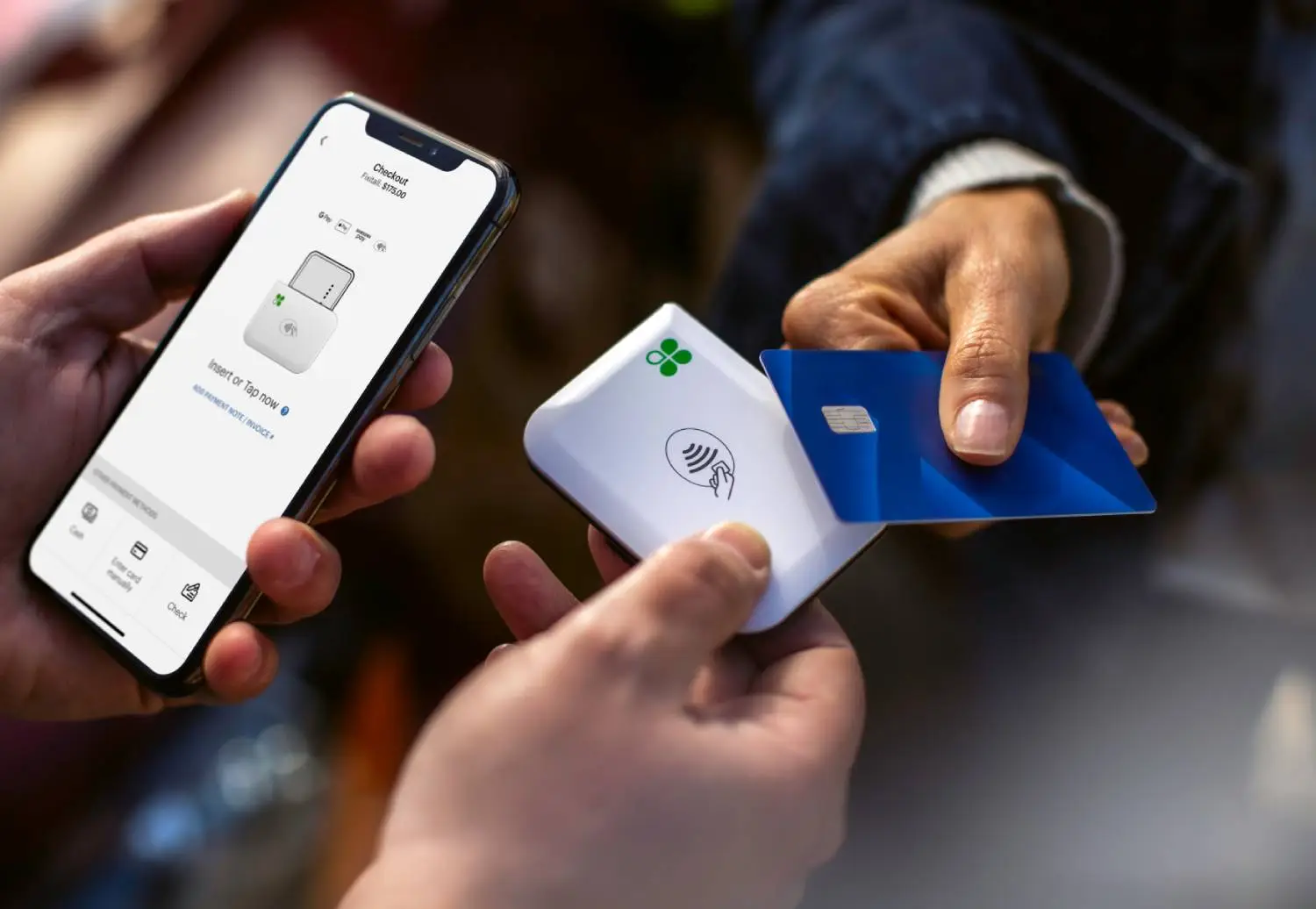
Modern payment methods can reduce exposure to traditional magnetic stripe skimming. Chip cards and contactless payments provide stronger security than swipe-only transactions.
This does not mean fraud becomes impossible. However, upgrading outdated payment equipment can help reduce common risks associated with older card-reading methods.
Work with a reliable POS provider
A reliable POS provider can help you choose secure hardware, configure the system properly, and maintain payment technology over time.
This matters because payment security is not only about the device itself. It also depends on installation, updates, support, and how the system fits into your business operations.
What should you do if you find a skimming card reader?
If you find a possible skimming card reader, stop using the terminal immediately and report the issue to the proper authorities, your payment processor, and your POS provider.
Do not allow customers to continue using the device. If possible, block access to the terminal without removing or manipulating the suspected device.
Here are the steps business owners should follow:
- Stop all transactions on the affected terminal
- Do not touch or remove the suspicious device
- Contact local authorities
- Notify your payment processor or bank
- Contact your POS provider for technical support
- Review security footage if available
- Identify potentially affected transactions
- Communicate with customers if necessary
Acting quickly helps reduce additional exposure and supports the investigation process. It also shows customers that your business takes payment security seriously.
When should a business upgrade its POS system?
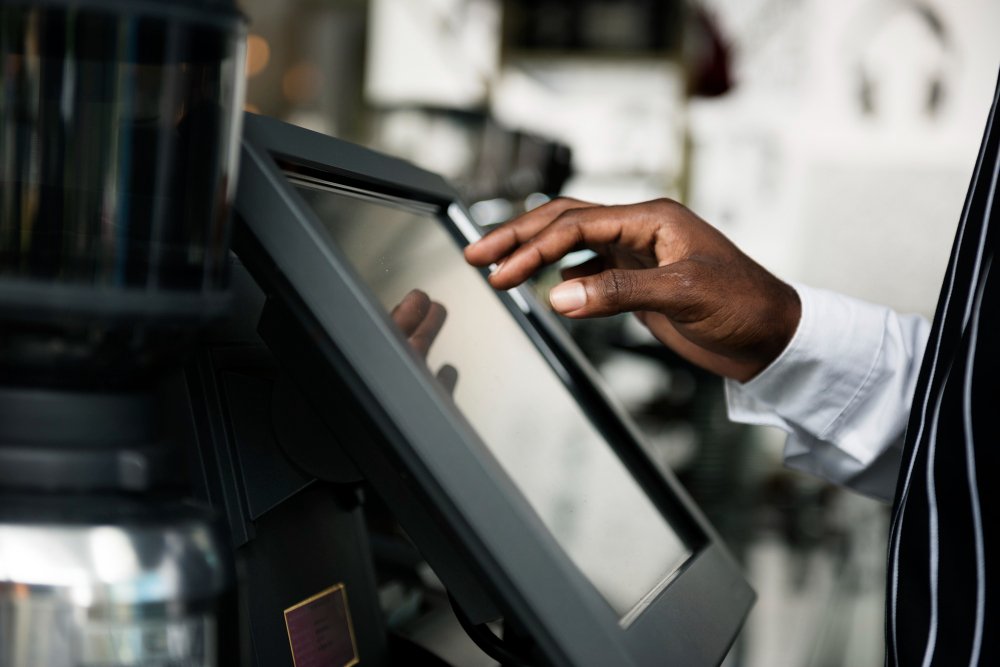
A business should upgrade its POS system when its current payment equipment is outdated, difficult to monitor, limited to swipe transactions, or unable to support modern payment methods.
Older terminals may create more operational and security limitations. They can also make it harder to offer the payment experience customers expect today.
It may be time to upgrade if your current system:
- Does not support chip or contactless payments
- Has limited security features
- Is difficult for staff to inspect
- Does not integrate with business tools
- Creates slow checkout experiences
- Lacks reliable technical support
- Does not provide clear transaction reporting
A modern POS system helps businesses process payments more efficiently while improving control over the checkout environment.
Where can you buy a secure POS system for your business?
You can buy a secure POS system from a specialized provider like Brava, who helps business owners choose, configure, and support the right payment solution for their operations.
Choosing a POS system is not only about buying hardware. It is about implementing a payment solution that works securely and efficiently in your real business environment.
At Brava, we help businesses evaluate their needs and choose POS solutions that support payment security, customer experience, and operational growth.
Our team can help you:
- Choose the right POS equipment
- Configure secure payment processing
- Support chip and contactless payment options
- Train your team on daily use
- Provide ongoing technical support
- Improve checkout efficiency
For business owners, this type of support is valuable because secure payments depend on both technology and correct implementation.
Conclusion
A skimming card reader can create serious problems for businesses and customers. These devices are designed to steal card information quietly, often by blending into legitimate payment terminals.
The best way to reduce risk is to combine secure POS technology with regular inspections, trained staff, and clear response protocols. Business owners should not wait for a fraud incident before reviewing their payment environment.
By upgrading outdated equipment, monitoring terminals, and working with a reliable POS provider, your business can create a safer checkout experience for every customer.
If you want to improve payment security and modernize your checkout process, Brava can help you choose the right POS solution for your business. Let’s talk
Preguntas Frecuentes
A skimming card reader is a fraudulent device used to steal credit or debit card information. It is usually placed on or inside a legitimate payment terminal.
You may notice a skimmer if the card reader looks loose, bulky, damaged, misaligned, or different from other terminals. Unusual keypads or hidden cameras are also warning signs.
Yes. A skimming card reader can affect customer trust, brand reputation, and payment security. Customers may connect the fraud experience with your business location.
Yes. Chip and contactless payments generally reduce exposure to traditional magnetic stripe skimming. They offer stronger protection than swipe-only transactions.
You should stop using the terminal immediately, avoid touching the device, contact authorities, notify your payment processor, and review security footage if available.
Yes. If your current POS system is outdated or limited to older payment methods, upgrading can help improve security, speed, and customer confidence.